Search GrimSlate
Search datasheets, rules, lists, and players.
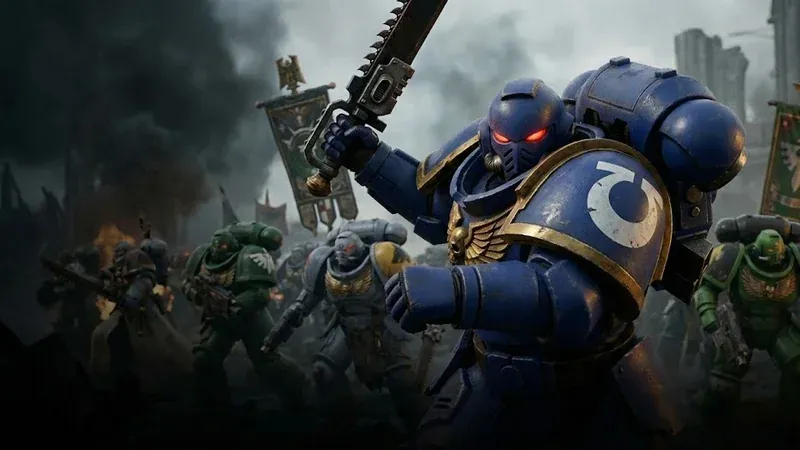
The Space Marines are the Emperor's finest warriors - genetically enhanced super soldiers clad in power armor. Build your Space Marines army list with complete datasheets, chapter tactics, and all available wargear options.
Quick reference
Current 11th Edition points for every datasheet, updated with the latest Munitorum Field Manual. Open any unit for its complete stats, weapons and abilities.
| Unit | Role | Points (models) |
|---|---|---|
| Aggressor Squad | Infantry | 90 (3) · 180 (6) |
| Ancient | Character | 40 |
| Ancient in Terminator Armour | Character | 75 |
| Ancient on Bike [Legends] | Character | 90 (1) · 90 (1) · 90 (1) |
| Apothecary | Character | 45 |
| Apothecary Biologis | Character | 60 |
| Apothecary on Bike [Legends] | Character | 65 (1) · 65 (1) · 65 (1) |
| Assault Intercessor Squad | Battleline | 85 (5) · 170 (10) |
| Assault Intercessors with Jump Packs | Infantry | 95 (5) · 190 (10) |
| Assault Squad [Legends] | Infantry | 95 (5) · 95 (5) · 95 (5) · 190 (10) · 190 (10) · 190 (10) |
| Assault Squad with Jump Packs [Legends] | Infantry | 115 (5) · 115 (5) · 115 (5) · 230 (10) · 230 (10) · 230 (10) |
| Astartes Servitors [Legends] | Infantry | 55 (4) · 55 (4) · 55 (4) |
| Astraeus | Vehicle | 550 |
| Attack Bike Squad [Legends] | Mounted | 55 (1) · 55 (1) · 55 (1) · 110 (2) · 110 (2) · 110 (2) · 165 (3) · 165 (3) · 165 (3) |
| Ballistus Dreadnought | Vehicle | 150 |
| Bike Squad [Legends] | Mounted | 80 (3) · 160 (6) |
| Bladeguard Ancient | Character | 70 |
| Bladeguard Veteran Squad | Infantry | 90 (3) · 180 (6) |
| Brutalis Dreadnought | Vehicle | 160 |
| Caestus Assault Ram [Legends] | Aircraft | 215 (1) · 215 (1) · 215 (1) |
| Captain | Character | 90 |
| Captain in Gravis Armour | Character | 90 |
| Captain in Phobos Armour | Character | 75 |
| Captain in Terminator Armour | Character | 90 |
| Captain on Bike [Legends] | Character | 110 |
| Captain with Jump Pack | Character | 90 |
| Carab Culln the Risen [Legends] | Epic Hero | 250 (1) · 250 (1) · 250 (1) |
| Centurion Assault Squad | Infantry | 150 (3) · 300 (6) |
| Centurion Devastator Squad | Infantry | 175 (3) · 350 (6) |
| Cerberus [Legends] | Vehicle | 270 |
| Champion of the Chapter [Crucible] | Character | 70 |
| Chaplain | Character | 60 |
| Chaplain in Terminator Armour | Character | 75 |
| Chaplain Kastiel [Legends] | Epic Hero | 70 |
| Chaplain on Bike | Character | 75 |
| Chaplain Venerable Dreadnought [Legends] | Vehicle | 150 (1) · 150 (1) · 150 (1) |
| Chaplain with Jump Pack | Character | 75 |
| Command Squad [Legends] | Infantry | 165 (5) · 165 (5) · 165 (5) |
| Company Champion on Bike [Legends] | Character | 60 (1) · 60 (1) · 60 (1) |
| Company Heroes | Infantry | 125 |
| Company Veterans on Bikes [Legends] | Mounted | 110 (2) · 110 (2) · 110 (2) · 275 (5) · 275 (5) · 275 (5) |
| Deathstorm Drop Pod [Legends] | Vehicle | 95 (1) · 95 (1) · 95 (1) |
| Deimos Predator [Legends] | Vehicle | 115 (1) · 115 (1) · 115 (1) |
| Deredeo Dreadnought [Legends] | Vehicle | 160 (1) · 160 (1) · 160 (1) |
| Desolation Squad | Infantry | 140 |
| Devastator Squad | Infantry | 120 (5) · 120 (5) · 120 (5) · 200 (10) · 200 (10) · 200 (10) |
| Dreadnought | Vehicle | 135 |
| Dreadnought Drop Pod [Legends] | Vehicle | 75 (1) · 75 (1) · 75 (1) |
| Drop Pod | Dedicated Transport | 60 |
| Eliminator Squad | Infantry | 85 |
| Eradicator Squad | Infantry | 100 (3) · 200 (6) |
| Eradicator Squad with Heavy Bolters | Infantry | 100 (3) · 215 (6) |
| Falchion [Legends] | Vehicle | 420 |
| Fellblade [Legends] | Vehicle | 480 (1) · 480 (1) · 480 (1) |
| Ferren Areios [Legends] | Epic Hero | 80 (1) · 80 (1) · 80 (1) |
| Fire Raptor Gunship [Legends] | Aircraft | 290 (1) · 290 (1) · 290 (1) |
| Firestrike Servo-Turrets | Vehicle | 80 (1) · 160 (2) |
| Gladiator Lancer | Vehicle | 160 |
| Gladiator Reaper | Vehicle | 165 |
| Gladiator Valiant | Vehicle | 165 |
| Hammerfall Bunker | Fortification | 175 |
| Heavy Intercessor Squad | Battleline | 115 (5) · 230 (10) |
| Hellblaster Squad | Infantry | 115 (5) · 230 (10) |
| Hunter [Legends] | Vehicle | 100 (1) · 100 (1) · 100 (1) |
| Imperial Space Marine [Legends] | Character | 40 (1) · 40 (1) · 40 (1) |
| Impulsor | Dedicated Transport | 70 |
| Inceptor Squad | Infantry | 130 (3) · 260 (6) |
| Incursor Squad | Infantry | 90 (5) · 170 (10) |
| Infernus Squad | Infantry | 95 (5) · 190 (10) |
| Infiltrator Squad | Infantry | 85 (5) · 150 (10) |
| Intercessor Squad | Battleline | 85 (5) · 170 (10) |
| Invader ATV | Mounted | 65 (1) · 130 (2) |
| Invictor Tactical Warsuit | Vehicle | 135 |
| Ironclad Dreadnought [Legends] | Vehicle | 150 (1) · 150 (1) · 150 (1) |
| Javelin Attack Speeder [Legends] | Vehicle | 110 (1) · 110 (1) · 110 (1) |
| Judiciar | Character | 50 |
| Judiciar Xacharus [Legends] | Epic Hero | 75 |
| Kratos [Legends] | Vehicle | 240 |
| Land Raider | Vehicle | 245 |
| Land Raider Achilles [Legends] | Vehicle | 230 (1) · 230 (1) · 230 (1) |
| Land Raider Crusader | Vehicle | 230 |
| Land Raider Excelsior [Legends] | Vehicle | 250 |
| Land Raider Helios [Legends] | Vehicle | 220 (1) · 220 (1) · 220 (1) |
| Land Raider Prometheus [Legends] | Vehicle | 250 (1) · 250 (1) · 250 (1) |
| Land Raider Proteus [Legends] | Vehicle | 220 (1) · 220 (1) · 220 (1) |
| Land Raider Redeemer | Vehicle | 245 |
| Land Speeder | Vehicle | 105 |
| Land Speeder Storm [Legends] | Dedicated Transport | 70 (1) · 70 (1) · 70 (1) |
| Land Speeder Tempest [Legends] | Vehicle | 95 (1) · 95 (1) · 95 (1) |
| Land Speeder Tornado [Legends] | Vehicle | 95 (1) · 95 (1) · 95 (1) |
| Land Speeder Typhoon [Legends] | Vehicle | 100 (1) · 100 (1) · 100 (1) |
| Leviathan Dreadnought [Legends] | Vehicle | 160 (1) · 160 (1) · 160 (1) |
| Librarian | Character | 75 |
| Librarian in Phobos Armour | Character | 75 |
| Librarian in Terminator Armour | Character | 80 |
| Librarian on Bike [Legends] | Character | 80 (1) · 80 (1) · 80 (1) |
| Librarian with Jump Pack [Legends] | Character | 75 (1) · 75 (1) · 75 (1) |
| Librarius Adept [Crucible] | Character | 70 |
| Lieutenant | Character | 50 |
| Lieutenant in Phobos Armour | Character | 40 |
| Lieutenant in Reiver Armour | Character | 45 (1) · 45 (1) · 45 (1) |
| Lieutenant with Combi-weapon | Character | 85 |
| Mastodon [Legends] | Vehicle | 540 |
| Mortis Dreadnought [Legends] | Vehicle | 130 (1) · 130 (1) · 130 (1) |
| Outrider Squad | Mounted | 80 (3) · 160 (6) |
| Predator Annihilator | Vehicle | 135 |
| Predator Destructor | Vehicle | 140 |
| Primaris Company Champion [Legends] | Character | 55 (1) · 55 (1) · 55 (1) |
| Rapier Carrier [Legends] | Vehicle | 90 |
| Razorback | Dedicated Transport | 95 |
| Redemptor Dreadnought | Vehicle | 170 |
| Reiver Squad | Infantry | 85 (5) · 165 (10) |
| Relic Contemptor Dreadnought [Legends] | Vehicle | 140 (1) · 140 (1) · 140 (1) |
| Relic Razorback [Legends] | Dedicated Transport | 105 |
| Relic Terminator Squad [Legends] | Infantry | 200 (5) · 200 (5) · 200 (5) · 400 (10) · 400 (10) · 400 (10) |
| Repulsor | Vehicle | 190 |
| Repulsor Executioner | Vehicle | 260 |
| Rhino | Dedicated Transport | 70 |
| Rhino Primaris [Legends] | Vehicle | 95 |
| Scout Bike Squad [Legends] | Mounted | 75 (3) · 150 (6) |
| Scout Sniper Squad [Legends] | Infantry | 75 (5) · 75 (5) · 75 (5) · 150 (10) · 150 (10) · 150 (10) |
| Scout Squad | Infantry | 65 (5) · 120 (10) |
| Sicaran Arcus [Legends] | Vehicle | 160 (1) · 160 (1) · 160 (1) |
| Sicaran Battle Tank [Legends] | Vehicle | 160 (1) · 160 (1) · 160 (1) |
| Sicaran Omega [Legends] | Vehicle | 180 (1) · 180 (1) · 180 (1) |
| Sicaran Punisher [Legends] | Vehicle | 160 (1) · 160 (1) · 160 (1) |
| Sicaran Venator [Legends] | Vehicle | 180 (1) · 180 (1) · 180 (1) |
| Sokar-pattern Stormbird [Legends] | Aircraft | 900 (1) · 900 (1) · 900 (1) |
| Spartan [Legends] | Vehicle | 300 (1) · 300 (1) · 300 (1) |
| Stalker [Legends] | Vehicle | 140 (1) · 140 (1) · 140 (1) |
| Sternguard Veteran Squad | Infantry | 105 (5) · 210 (10) |
| Storm Eagle Gunship [Legends] | Aircraft | 250 (1) · 250 (1) · 250 (1) |
| Storm Speeder Hailstrike | Vehicle | 110 |
| Storm Speeder Hammerstrike | Vehicle | 140 |
| Storm Speeder Thunderstrike | Vehicle | 140 |
| Stormhawk Interceptor | Aircraft | 155 |
| Stormraven Gunship | Vehicle | 280 |
| Stormtalon Gunship | Aircraft | 165 |
| Suppressor Squad | Infantry | 85 |
| Tactical Squad | Battleline | 140 |
| Tarantula Air Defense Battery [Legends] | Vehicle | 70 |
| Tarantula Sentry Battery [Legends] | Vehicle | 30 (1) · 60 (2) · 90 (3) |
| Techmarine | Character | 55 |
| Techmarine on Bike [Legends] | Character | 110 (1) · 110 (1) · 110 (1) |
| Terminator Assault Squad | Infantry | 170 (5) · 340 (10) |
| Terminator Squad | Infantry | 190 (5) · 380 (10) |
| Terminus Ultra [Legends] | Vehicle | 285 (1) · 285 (1) · 285 (1) |
| Terrax-pattern Termite [Legends] | Dedicated Transport | 200 |
| Thunderfire Cannon [Legends] | Vehicle | 90 (2) · 90 (2) · 90 (2) |
| Thunderhawk Gunship | Vehicle | 850 |
| Thunderhawk Transporter [Legends] | Aircraft | 495 (1) · 495 (1) · 495 (1) |
| Typhon [Legends] | Vehicle | 320 |
| Vanguard Veteran Squad [Legends] | Infantry | 120 (5) · 240 (10) |
| Vanguard Veteran Squad with Jump Packs | Infantry | 110 (5) · 220 (10) |
| Venerable Battle-Brother [Crucible] | Character | 160 |
| Venerable Dreadnought [Legends] | Vehicle | 165 |
| Vindicator | Vehicle | 185 |
| Vindicator Laser Destroyer [Legends] | Vehicle | 175 (1) · 175 (1) · 175 (1) |
| Whirlwind | Vehicle | 175 |
| Whirlwind Scorpius [Legends] | Vehicle | 115 (1) · 115 (1) · 115 (1) |
| Xiphon Interceptor [Legends] | Aircraft | 115 (1) · 115 (1) · 115 (1) |
Space Marines are the game's baseline in the most literal sense: a statline that is good at everything and exceptional at nothing, on units that are individually tough enough to survive a mistake. That forgiveness is the faction's real strength. Almost every other army punishes a bad deployment harder than Marines do, which is why they remain the standard recommendation for a first army even when they are not the strongest choice on paper.
In practice a Marine army wins by trading efficiently rather than by overwhelming anyone. You have enough shooting to remove a key target, enough melee to punish an overextension, and enough Objective Control to hold what you take. The failure mode is passivity — a Marine list that sits still gets outscored by armies that move, because durability does not score points.
The chapter you play matters more than the codex suggests. The nine successor and first-founding chapters with their own rules play genuinely differently, and a Blood Angels list and an Iron Hands list built from the same core units want opposite things from the game.
The detachment decides the army far more than the unit choices do. Space Marines have one of the widest detachment spreads in the game, and they pull in incompatible directions — one wants vehicles, another wants deep-striking infantry, another wants a single melee deathstar. Pick the detachment first and build into it rather than assembling favorite units and choosing a detachment afterwards.
Watch the Battleline grants. Several Marine detachments grant Battleline to a unit that does not normally have it, which doubles its duplicate limit from three to six. That is frequently worth more than the army rule attached to it.
If you are new to Space Marines: Build a list around one detachment's army rule and play five games without changing it. Marines have enough good options that new players rewrite the list after every loss and never learn what any of it does.
Versatile all-rounders with good shooting, solid melee, and excellent durability. Space Marines excel at adapting to any situation with specialized units for every role.
Continue exploring
Other space marine chapters


