Search GrimSlate
Search datasheets, rules, lists, and players.
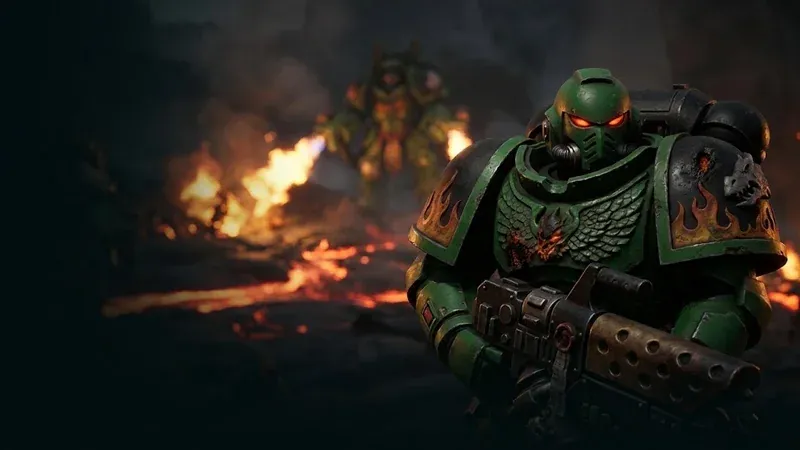
Build your Salamanders army list with complete 11th Edition datasheets, points and wargear options.
Quick reference
Current 11th Edition points for every datasheet, updated with the latest Munitorum Field Manual. Open any unit for its complete stats, weapons and abilities.
| Unit | Role | Points (models) |
|---|---|---|
| Adrax Agatone | Epic Hero | 90 |
| Aggressor Squad | Infantry | 90 (3) · 180 (6) |
| Ancient | Character | 40 |
| Ancient in Terminator Armour | Character | 75 |
| Ancient on Bike [Legends] | Character | 90 (1) · 90 (1) · 90 (1) |
| Apothecary | Character | 45 |
| Apothecary Biologis | Character | 60 |
| Apothecary on Bike [Legends] | Character | 65 (1) · 65 (1) · 65 (1) |
| Assault Intercessor Squad | Battleline | 85 (5) · 170 (10) |
| Assault Intercessors with Jump Packs | Infantry | 95 (5) · 190 (10) |
| Assault Squad [Legends] | Infantry | 95 (5) · 95 (5) · 95 (5) · 190 (10) · 190 (10) · 190 (10) |
| Assault Squad with Jump Packs [Legends] | Infantry | 115 (5) · 115 (5) · 115 (5) · 230 (10) · 230 (10) · 230 (10) |
| Astartes Servitors [Legends] | Infantry | 55 (4) · 55 (4) · 55 (4) |
| Astraeus | Vehicle | 550 |
| Attack Bike Squad [Legends] | Mounted | 55 (1) · 55 (1) · 55 (1) · 110 (2) · 110 (2) · 110 (2) · 165 (3) · 165 (3) · 165 (3) |
| Ballistus Dreadnought | Vehicle | 150 |
| Bike Squad [Legends] | Mounted | 80 (3) · 160 (6) |
| Bladeguard Ancient | Character | 70 |
| Bladeguard Veteran Squad | Infantry | 90 (3) · 180 (6) |
| Brutalis Dreadnought | Vehicle | 160 |
| Caestus Assault Ram [Legends] | Aircraft | 215 (1) · 215 (1) · 215 (1) |
| Captain | Character | 90 |
| Captain in Gravis Armour | Character | 90 |
| Captain in Phobos Armour | Character | 75 |
| Captain in Terminator Armour | Character | 90 |
| Captain on Bike [Legends] | Character | 110 |
| Captain with Jump Pack | Character | 90 |
| Carab Culln the Risen [Legends] | Epic Hero | 250 (1) · 250 (1) · 250 (1) |
| Centurion Assault Squad | Infantry | 150 (3) · 300 (6) |
| Centurion Devastator Squad | Infantry | 175 (3) · 350 (6) |
| Cerberus [Legends] | Vehicle | 270 |
| Chaplain | Character | 60 |
| Chaplain in Terminator Armour | Character | 75 |
| Chaplain on Bike | Character | 75 |
| Chaplain Venerable Dreadnought [Legends] | Vehicle | 150 (1) · 150 (1) · 150 (1) |
| Chaplain with Jump Pack | Character | 75 |
| Command Squad [Legends] | Infantry | 165 (5) · 165 (5) · 165 (5) |
| Company Champion on Bike [Legends] | Character | 60 (1) · 60 (1) · 60 (1) |
| Company Heroes | Infantry | 125 |
| Company Veterans on Bikes [Legends] | Mounted | 110 (2) · 110 (2) · 110 (2) · 275 (5) · 275 (5) · 275 (5) |
| Deathstorm Drop Pod [Legends] | Vehicle | 95 (1) · 95 (1) · 95 (1) |
| Deimos Predator [Legends] | Vehicle | 115 (1) · 115 (1) · 115 (1) |
| Deredeo Dreadnought [Legends] | Vehicle | 160 (1) · 160 (1) · 160 (1) |
| Desolation Squad | Infantry | 140 |
| Devastator Squad | Infantry | 120 (5) · 120 (5) · 120 (5) · 200 (10) · 200 (10) · 200 (10) |
| Dreadnought | Vehicle | 135 |
| Dreadnought Drop Pod [Legends] | Vehicle | 75 (1) · 75 (1) · 75 (1) |
| Drop Pod | Dedicated Transport | 60 |
| Eliminator Squad | Infantry | 85 |
| Eradicator Squad | Infantry | 100 (3) · 200 (6) |
| Eradicator Squad with Heavy Bolters | Infantry | 100 (3) · 215 (6) |
| Falchion [Legends] | Vehicle | 420 |
| Fellblade [Legends] | Vehicle | 480 (1) · 480 (1) · 480 (1) |
| Fire Raptor Gunship [Legends] | Aircraft | 290 (1) · 290 (1) · 290 (1) |
| Firestrike Servo-Turrets | Vehicle | 80 (1) · 160 (2) |
| Gladiator Lancer | Vehicle | 160 |
| Gladiator Reaper | Vehicle | 165 |
| Gladiator Valiant | Vehicle | 165 |
| Hammerfall Bunker | Fortification | 175 |
| Heavy Intercessor Squad | Battleline | 115 (5) · 230 (10) |
| Hellblaster Squad | Infantry | 115 (5) · 230 (10) |
| Hunter [Legends] | Vehicle | 100 (1) · 100 (1) · 100 (1) |
| Imperial Space Marine [Legends] | Character | 40 (1) · 40 (1) · 40 (1) |
| Impulsor | Dedicated Transport | 70 |
| Inceptor Squad | Infantry | 130 (3) · 260 (6) |
| Incursor Squad | Infantry | 90 (5) · 170 (10) |
| Infernus Squad | Infantry | 95 (5) · 190 (10) |
| Infiltrator Squad | Infantry | 85 (5) · 150 (10) |
| Intercessor Squad | Battleline | 85 (5) · 170 (10) |
| Invader ATV | Mounted | 65 (1) · 130 (2) |
| Invictor Tactical Warsuit | Vehicle | 135 |
| Ironclad Dreadnought [Legends] | Vehicle | 150 (1) · 150 (1) · 150 (1) |
| Javelin Attack Speeder [Legends] | Vehicle | 110 (1) · 110 (1) · 110 (1) |
| Judiciar | Character | 50 |
| Kratos [Legends] | Vehicle | 240 |
| Land Raider | Vehicle | 245 |
| Land Raider Achilles [Legends] | Vehicle | 230 (1) · 230 (1) · 230 (1) |
| Land Raider Crusader | Vehicle | 230 |
| Land Raider Excelsior [Legends] | Vehicle | 250 |
| Land Raider Helios [Legends] | Vehicle | 220 (1) · 220 (1) · 220 (1) |
| Land Raider Prometheus [Legends] | Vehicle | 250 (1) · 250 (1) · 250 (1) |
| Land Raider Proteus [Legends] | Vehicle | 220 (1) · 220 (1) · 220 (1) |
| Land Raider Redeemer | Vehicle | 245 |
| Land Speeder | Vehicle | 105 |
| Land Speeder Storm [Legends] | Dedicated Transport | 70 (1) · 70 (1) · 70 (1) |
| Land Speeder Tempest [Legends] | Vehicle | 95 (1) · 95 (1) · 95 (1) |
| Land Speeder Tornado [Legends] | Vehicle | 95 (1) · 95 (1) · 95 (1) |
| Land Speeder Typhoon [Legends] | Vehicle | 100 (1) · 100 (1) · 100 (1) |
| Leviathan Dreadnought [Legends] | Vehicle | 160 (1) · 160 (1) · 160 (1) |
| Librarian | Character | 75 |
| Librarian in Phobos Armour | Character | 75 |
| Librarian in Terminator Armour | Character | 80 |
| Librarian on Bike [Legends] | Character | 80 (1) · 80 (1) · 80 (1) |
| Librarian with Jump Pack [Legends] | Character | 75 (1) · 75 (1) · 75 (1) |
| Lieutenant | Character | 50 |
| Lieutenant in Phobos Armour | Character | 40 |
| Lieutenant in Reiver Armour | Character | 45 (1) · 45 (1) · 45 (1) |
| Lieutenant with Combi-weapon | Character | 85 |
| Mastodon [Legends] | Vehicle | 540 |
| Mortis Dreadnought [Legends] | Vehicle | 130 (1) · 130 (1) · 130 (1) |
| Outrider Squad | Mounted | 80 (3) · 160 (6) |
| Predator Annihilator | Vehicle | 135 |
| Predator Destructor | Vehicle | 140 |
| Primaris Company Champion [Legends] | Character | 55 (1) · 55 (1) · 55 (1) |
| Rapier Carrier [Legends] | Vehicle | 90 |
| Razorback | Dedicated Transport | 95 |
| Redemptor Dreadnought | Vehicle | 170 |
| Reiver Squad | Infantry | 85 (5) · 165 (10) |
| Relic Contemptor Dreadnought [Legends] | Vehicle | 140 (1) · 140 (1) · 140 (1) |
| Relic Razorback [Legends] | Dedicated Transport | 105 |
| Relic Terminator Squad [Legends] | Infantry | 200 (5) · 200 (5) · 200 (5) · 400 (10) · 400 (10) · 400 (10) |
| Repulsor | Vehicle | 190 |
| Repulsor Executioner | Vehicle | 260 |
| Rhino | Dedicated Transport | 70 |
| Rhino Primaris [Legends] | Vehicle | 95 |
| Scout Bike Squad [Legends] | Mounted | 75 (3) · 150 (6) |
| Scout Sniper Squad [Legends] | Infantry | 75 (5) · 75 (5) · 75 (5) · 150 (10) · 150 (10) · 150 (10) |
| Scout Squad | Infantry | 65 (5) · 120 (10) |
| Sicaran Arcus [Legends] | Vehicle | 160 (1) · 160 (1) · 160 (1) |
| Sicaran Battle Tank [Legends] | Vehicle | 160 (1) · 160 (1) · 160 (1) |
| Sicaran Omega [Legends] | Vehicle | 180 (1) · 180 (1) · 180 (1) |
| Sicaran Punisher [Legends] | Vehicle | 160 (1) · 160 (1) · 160 (1) |
| Sicaran Venator [Legends] | Vehicle | 180 (1) · 180 (1) · 180 (1) |
| Sokar-pattern Stormbird [Legends] | Aircraft | 900 (1) · 900 (1) · 900 (1) |
| Spartan [Legends] | Vehicle | 300 (1) · 300 (1) · 300 (1) |
| Stalker [Legends] | Vehicle | 140 (1) · 140 (1) · 140 (1) |
| Sternguard Veteran Squad | Infantry | 105 (5) · 210 (10) |
| Storm Eagle Gunship [Legends] | Aircraft | 250 (1) · 250 (1) · 250 (1) |
| Storm Speeder Hailstrike | Vehicle | 110 |
| Storm Speeder Hammerstrike | Vehicle | 140 |
| Storm Speeder Thunderstrike | Vehicle | 140 |
| Stormhawk Interceptor | Aircraft | 155 |
| Stormraven Gunship | Vehicle | 280 |
| Stormtalon Gunship | Aircraft | 165 |
| Suppressor Squad | Infantry | 85 |
| Tactical Squad | Battleline | 140 |
| Tarantula Air Defense Battery [Legends] | Vehicle | 70 |
| Tarantula Sentry Battery [Legends] | Vehicle | 30 (1) · 60 (2) · 90 (3) |
| Techmarine | Character | 55 |
| Techmarine on Bike [Legends] | Character | 110 (1) · 110 (1) · 110 (1) |
| Terminator Assault Squad | Infantry | 170 (5) · 340 (10) |
| Terminator Squad | Infantry | 190 (5) · 380 (10) |
| Terminus Ultra [Legends] | Vehicle | 285 (1) · 285 (1) · 285 (1) |
| Terrax-pattern Termite [Legends] | Dedicated Transport | 200 |
| Thunderfire Cannon [Legends] | Vehicle | 90 (2) · 90 (2) · 90 (2) |
| Thunderhawk Gunship | Vehicle | 850 |
| Thunderhawk Transporter [Legends] | Aircraft | 495 (1) · 495 (1) · 495 (1) |
| Typhon [Legends] | Vehicle | 320 |
| Vanguard Veteran Squad [Legends] | Infantry | 120 (5) · 240 (10) |
| Vanguard Veteran Squad with Jump Packs | Infantry | 110 (5) · 220 (10) |
| Venerable Dreadnought [Legends] | Vehicle | 165 |
| Vindicator | Vehicle | 185 |
| Vindicator Laser Destroyer [Legends] | Vehicle | 175 (1) · 175 (1) · 175 (1) |
| Vulkan He'stan | Epic Hero | 105 |
| Whirlwind | Vehicle | 175 |
| Whirlwind Scorpius [Legends] | Vehicle | 115 (1) · 115 (1) · 115 (1) |
| Xiphon Interceptor [Legends] | Aircraft | 115 (1) · 115 (1) · 115 (1) |
Salamanders are the close-range durability chapter: flamers, melta weapons, and rules that improve their resilience and their ability to make the most of a small number of high-value shots. The army fights at a range where its weapons are devastating and its opponents would rather not be.
They are the most forgiving Marine chapter to play badly, which is a genuine virtue. A Salamanders unit caught in a bad position survives more often than most, and their weapons do not require a long setup to be effective — a melta shot at short range does its job regardless of how elegant the preceding turn was.
The cost is reach. The army has to close, and against a mobile opponent that refuses to engage it can spend the game walking.
Transports and reserves are how a Salamanders list gets into range. A foot-slogging melta list will fire its best weapons for the first time on turn three.
Their weapon profiles are strong against tough targets and less efficient against numerous cheap ones — include deliberate anti-infantry.
If you are new to Salamanders: Measure your threat range before deploying, not during the game. Salamanders weapons have a specific bracket where they are excellent and outside it they are ordinary.
Continue exploring
Other space marine chapters


